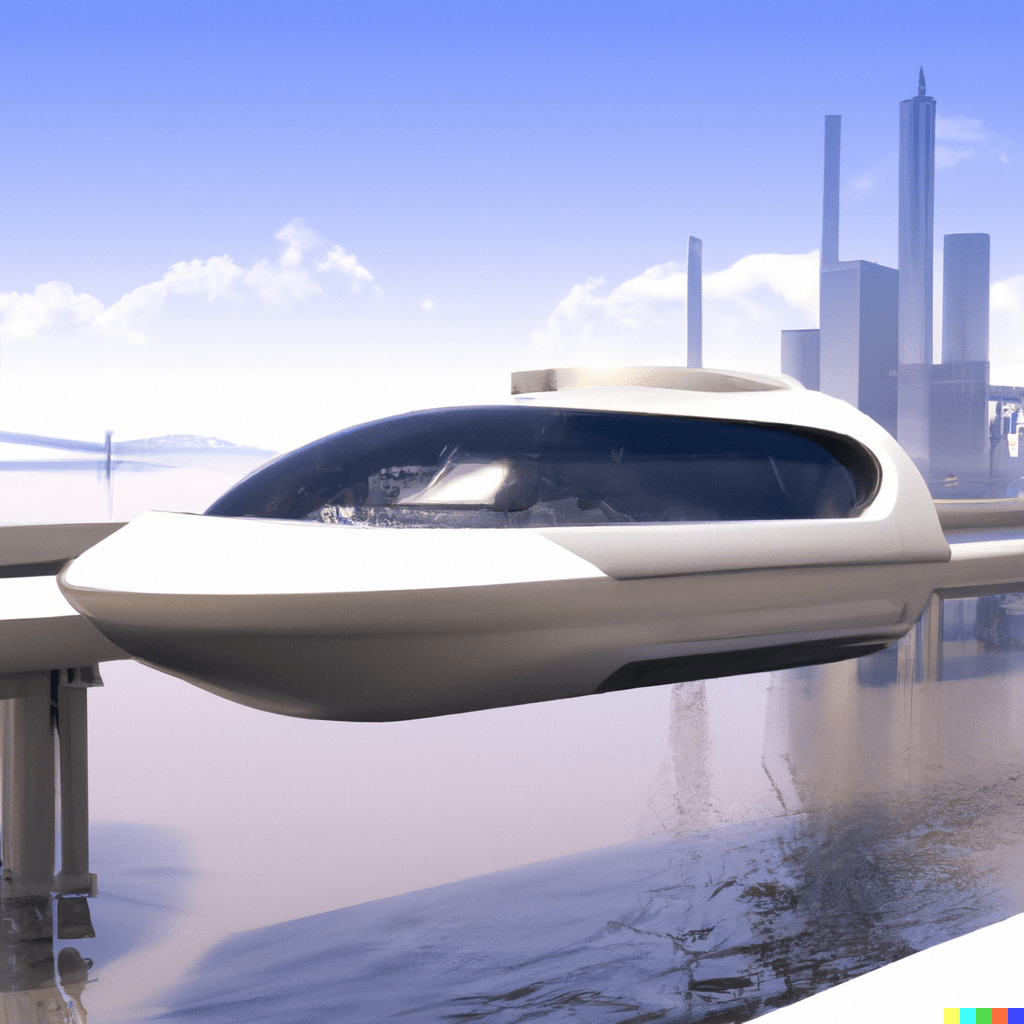
“Moving Forward: The Future of Transportation and Its Impact on Society”
Transportation has come a long way since the days of horse-drawn carriages and steam trains. Today, we have cars, buses, trains, and airplanes that can take us to virtually any destination. However, the future of transportation is looking even more exciting with the emergence of new technologies such as electric vehicles, autonomous vehicles, and even flying cars. In this post, we will explore the future of transportation and its impact on society.
One of the most significant developments in transportation is the rise of electric vehicles (EVs). Electric vehicles are powered by batteries rather than gasoline and produce zero emissions. This has led to a significant reduction in air pollution and has the potential to reduce dependence on fossil fuels.
Another important development in transportation is the rise of autonomous vehicles. Autonomous vehicles use sensors, cameras, and advanced software to navigate roads and make decisions. This has the potential to reduce accidents caused by human error and make transportation more efficient.
The future of transportation also includes the development of flying cars. Flying cars are essentially small aircraft that can take off and land vertically, like a helicopter. They can be flown like a plane, but can also drive on roads like a car. This has the potential to revolutionize transportation, reducing travel time and making it possible to fly to destinations that would otherwise be inaccessible.
The future of transportation also includes the development of new infrastructure such as hyperloop systems, which are high-speed trains that use magnetic levitation to travel in vacuum-sealed tubes. This has the potential to reduce travel times and make transportation more efficient.
However, with these advancements also come some concerns such as the impact on jobs and the need for infrastructure. It is important for the industry and government to work together to find solutions to mitigate the negative impact and ensure a fair and competitive market for all.
In conclusion, the future of transportation is looking more exciting than ever with the emergence of new technologies such as electric vehicles, autonomous vehicles, and flying cars. These developments have the potential to revolutionize transportation, making it more efficient, environmentally friendly, and accessible. However, it is important to consider the impact of these technologies on society and work to find solutions to mitigate any negative effects.
 AI Daily